
Imagine trying to understand a symphony by listening to just the violin. You’d hear the melody, surely, but you’d miss the rhythm, the harmony, and the emotional depth that the cello, the flute, and the drums provide.
In modern pharmacy, we often listen to just the violin. We isolate the “active compound” just the specific molecule that kills bacteria, lowers blood pressure, or stops pain. We call it drug therapy.
In herbal medicine, we listen to the entire orchestra. We call it herbal energetics.
This isn’t just a matter of “natural vs. synthetic.” It’s about how the fine balance of thousands of constituents in a plant work together to create a healing effect that is greater than the sum of its parts. This is the magic of synergy.
What are herbal energetics?
When herbalists speak of “energetics,” we aren’t talking about invisible energy fields or chakras (though those concepts exist in other traditions). We are talking about the physiological and biochemical signature of a plant.
Every herb is a complex chemical factory containing:
- Active compounds: the molecules that produce the primary therapeutic effect (e.g., curcumin in turmeric, salicin in willow bark).
- Constituents: the supporting molecules, the flavonoids, tannins, alkaloids, essential oils, mucilages, and minerals.
- The matrix: The fibre and structural components that slow down absorption and modulate the effect.
Herbal energetics is the study of how these pieces fit together to create a specific “vibe” or physiological response in the body. It’s the difference between a hammer (an isolated drug) and a sculptor’s chisel (a whole herb that shapes and guides the healing process).
The trap of the isolated active compound
Modern pharmacy operates on the Single Molecule Theory:
“If Molecule X causes Effect Y, then giving Molecule X will produce Effect Y.”
This works well for emergencies, acute infections, or life-saving interventions. But it has limits when it comes to chronic healing and holistic balance.
The problem with isolation
When we isolate a single compound, we strip away the plant’s natural “safety valves” and “boosters.”
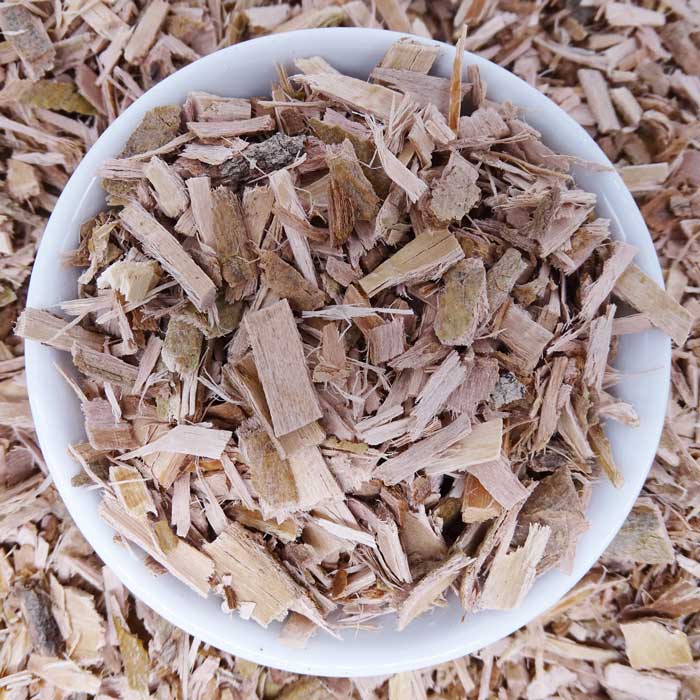
- Example: isolated Salicylic Acid (from Willow Bark) is a powerful painkiller. But in the whole plant, willow bark contains flavonoids that reduce inflammation, tannins that soothe the gut lining, and glycosides that slow the release of the active compound.
- Result: The whole plant provides pain relief without the severe stomach irritation often caused by isolated aspirin.
- Example: Turmeric contains Curcumin, a potent anti-inflammatory. But curcumin is poorly absorbed on its own. In the whole root, other compounds (like turmerones and essential oils) act as bio-enhancers, helping the body absorb the curcumin and directing it to where it’s needed.
The magic of synergy: how constituents work together
Synergy is the phenomenon where two or more substances interact to produce an effect greater than the sum of their individual effects. In herbal medicine, this is the rule, not the exception.
1. The ‘gentle hand’ effect
Many herbs contain compounds that moderate the action of others.
- Scenario: a herb might have a strong, stimulating alkaloid (like caffeine or ephedra).
- Synergy: the same plant often contains tannins or mucilages that coat the stomach or slow absorption, preventing the “jitters” or toxicity that pure caffeine might cause.
- Result: a gentle, sustained energy boost rather than a spike and crash.
2. The ‘broad spectrum’ defence
Isolated drugs often target a single pathway. Whole herbs target multiple pathways simultaneously.
- Scenario: an infection or chronic inflammation is a complex system with many entry points.
- Synergy: one constituent might kill the bacteria, another might boost the immune system, a third might reduce the pain, and a fourth might protect the liver.
- Result: a multi-pronged attack that is harder for the body to resist and easier for the body to handle.
3. The ‘bio-enhancement’ factor
Some herbs contain compounds that activate or transport others.
- Scenario: many medicinal compounds are ‘bio-unavailable’ (the body can’t absorb them well).
- Synergy: essential oils or specific fats in the plant act as a carrier, helping the active compounds enter the bloodstream and reach the cells.
- Result: a more potent effect from a smaller dose.
Understanding energetics: the four temperaments and qualities
While modern science looks at molecules, traditional herbalism looks at qualities. These are the ‘energetics’ that tell us how a herb will feel and act in the body.
Quality: Hot/Dry
Effect on the body: stimulates, dries, reduces excess fluid, warms cold conditions.
Example herbs: Cayenne, Ginger, Black Pepper
Quality: Cold/Wet
Effect on the body: cooling, hydrating, calming, reduces heat and inflammation.
Example herbs: Marshmallow Root, Nettles, Mint
Quality: Warm/Dry
Effect on the body: gentle stimulation, improves circulation, supports digestion.
Example herbs: Cinnamon, Fennel, Rosemary
Quality: Cool/Wet
Effect on the body: soothing, anti-inflammatory, nourishes and moisturises.
Example herbs: Aloe, Slippery Elm, Lemon Balm
Why does this matter? Because healing isn’t just about killing a bug; it’s about restoring balance.
- If you have a ‘hot’ condition (fever, inflammation, anxiety), a ‘hot’ herb will make it worse, even if it has the ‘right’ active compound.
- If you have a ‘cold’ condition (low energy, poor digestion, cold hands/feet), a ‘cold’ herb might dampen your system further.
Herbal energetics ensures that the herb fits the person, not just the disease.
The whole plant vs. the pill: a practical comparison
| Target | Single pathway/receptor | Multiple pathways/systems |
| Speed | Fast, immediate, often intense | Gradual, sustained, gentle |
| Side Effects | High (often due to lack of modulators) | Low (natural safety valves present) |
| Absorption | Often requires synthetic enhancers | Enhanced by natural constituents |
| Goal | Symptom suppression | Root cause resolution & balance |
| Example | Aspirin (Acetylsalicylic Acid) | Willow Bark (Salicin + Flavonoids) |
How to use herbal energetics in your life
You don’t need to be an expert chemist to benefit from this. Here’s how to apply these principles:
1. Choose whole foods, not isolates
When possible, choose whole herb extracts, tinctures, or teas over ‘curcumin pills’ or ‘isolated CBD’. Look for products that list the full spectrum of ingredients.
2. Listen to your body’s response
Does a tea make you feel warm and energised? That’s a ‘hot’ herb. Does a tea make you feel cool and calm? That’s a ‘cool’ herb. Trust your body’s feedback on the energetic level.
3. Combine for synergy
Herbalists often combine herbs to enhance effects.
- Example: adding Black Pepper to Turmeric increases curcumin absorption by up to 2000%.
- Example: combining Ginger (hot) with Spearmint (cool) creates a balanced digestive aid that soothes without overheating.
4. Respect the ‘bitter’ principle
Many herbs work because they are bitter. Bitterness stimulates digestion, liver function, and bile flow. Don’t filter out the bitter compounds; they are often the key to the herb’s energetics.
The future of healing: integrating wisdom and science
The future of medicine is about integration.
Scientists are finally catching up to what herbalists have known for millennia. They are discovering polypharmacology, which is the study of how multiple compounds in a mixture interact with multiple targets in the body.
But they are also learning the limits of isolation. The complexity of the plant is not a bug; it’s a feature. It’s the reason why a cup of herbal tea can calm your nerves, soothe your stomach, and boost your immunity all at once, while a pill might only do one thing.
Embracing the symphony
Next time you reach for a remedy, remember the symphony. Don’t just listen to the violin. Listen to the whole orchestra.
When you use herbal energetics, you are not just treating a symptom. You are inviting a conversation with the plant kingdom. You are asking the plant to share its wisdom, its balance, and its healing power in a way that respects the complexity of your own body.
This is the art of holistic healing. It’s not about fixing a broken part; it’s about restoring the harmony of the whole.
Quick takeaways
- What are herbal energetics? They are the physiological and biochemical signature of a plant, describing how its complex mixture of constituents works together to heal the body holistically.
- Why is whole plant medicine better than isolated compounds? Whole plants contain synergistic constituents that enhance absorption, reduce side effects, and target multiple pathways simultaneously, creating a more balanced and effective healing experience.
- How do herb constituents work together? Through synergy, where supporting compounds (like flavonoids or essential oils) modulate, enhance, or transport the active compounds, creating a “gentle hand” effect that isolated drugs lack.
