
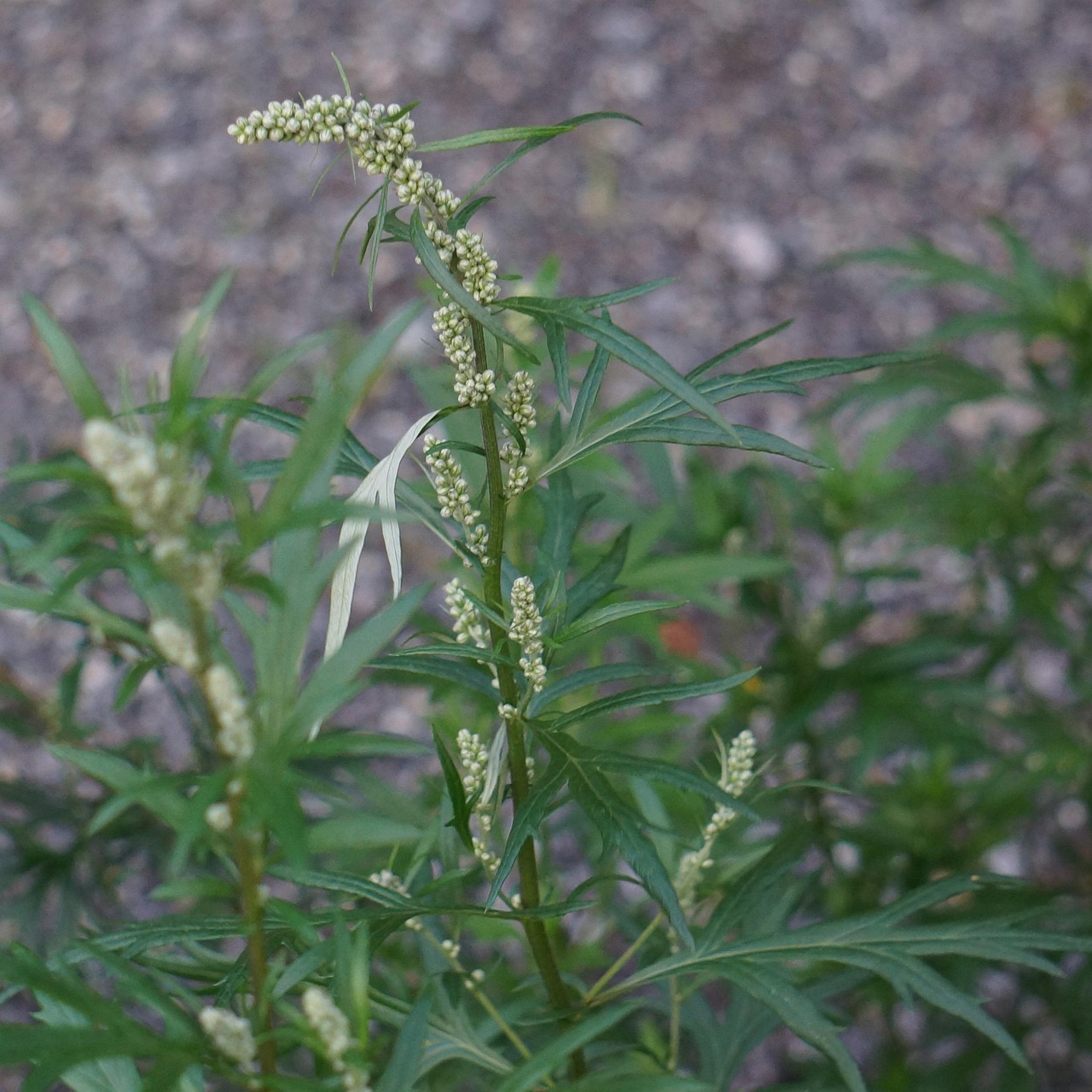
Discover the traditional uses of mugwort tea, its connection to dreams and intuition, the ancient practice of moxibustion (moxa), and how to create a mindful tea ritual.
Mugwort tea for dreams and intuition
Mugwort (Artemisia vulgaris) has long been regarded as one of the world’s most intriguing medicinal herbs. Revered in European herbal traditions, Traditional Chinese Medicine, and numerous folk healing systems, mugwort has traditionally been associated with dreaming, intuition, protection, and altered states of awareness.
Mugwort tea works beautifully energetically as part of an evening ritual of reflection, meditation, journaling, or dream work and it continues to hold an important place within both herbal practice and ceremonial traditions.
For me, Mugwort is more than an herb.
It’s a reminder that healing isn’t always about doing more. Sometimes it begins by becoming quiet enough to notice what has been waiting beneath the surface all along.
What is Mugwort?
Mugwort (Artemisia vulgaris) is a hardy perennial herb belonging to the daisy family. It’s been used for centuries across Europe and Asia for digestive support, menstrual health, ceremonial cleansing, and spiritual practices.
Its aromatic leaves contain naturally occurring volatile oils, flavonoids, and bitter compounds that have made it valuable within traditional herbal medicine.
Beyond its physical properties, Mugwort has earned a reputation as a “dream herb,” with herbalists and traditional practitioners using it to support dream recall, meditation, and contemplative practice.
Why is Mugwort associated with dreams?
In many traditional cultures, Mugwort was believed to help people enter a more reflective state before sleep.
Rather than viewing dreams as random mental activity, many ancient healing traditions considered dreams an important source of personal insight and symbolic guidance.
Preparing Mugwort tea became part of a deliberate evening ritual, a transition from the busy demands of the day into a quieter state of awareness.
Whether approached spiritually, psychologically, or simply as an opportunity for mindful reflection, Mugwort encourages us to slow down and become more attentive to our inner world.
Mugwort and moxa: an ancient healing tradition
One of Mugwort’s most significant historical uses is in moxibustion, commonly known as moxa, an important therapeutic technique within Traditional Chinese Medicine.
For moxibustion, dried Mugwort leaves are processed into a soft, wool-like material called moxa. The moxa is gently burned near carefully selected acupuncture points, allowing radiant heat to warm the area without directly burning the skin when performed correctly by a trained practitioner.
Traditionally, moxibustion has been used to:
- Support the smooth flow of Qi (vital energy)
- Warm areas of cold or stagnation
- Promote circulation
- Complement acupuncture treatments
- Support overall balance within Traditional Chinese Medicine
Although moxibustion and mugwort tea are very different practices, they share a common philosophy: healing often begins by restoring warmth, movement, and balance.
A sacred Mugwort tea ritual
Transforming herbal tea into a ritual shifts your relationship with the plant. Instead of simply consuming a drink, you create space for intention, reflection, and presence.
You’ll need:
- 1 teaspoon dried Mugwort (or as recommended by a qualified herbal practitioner)
- Freshly boiled water
- A favourite teacup
- A journal
- A quiet place free from distractions
The ritual
Begin by sitting quietly before preparing the tea.
Take several slow breaths and allow the pace of your day to soften.
As the Mugwort steeps, consider asking yourself:
“What am I ready to understand more deeply?”
Drink slowly.
Notice the aroma, warmth, and subtle bitterness.
Rather than searching for immediate answers, simply observe what arises.
Before bed, keep a notebook nearby so you can record any dreams, symbols, emotions, or impressions when you wake. Over time, recurring themes often become more meaningful than any single dream.
Is Mugwort tea safe?
Mugwort is a potent herb and needs to be used thoughtfully.
It is generally not recommended during pregnancy, as it’s traditionally been associated with stimulating uterine activity. People with allergies to plants in the Asteraceae (daisy) family may also experience allergic reactions. Because Mugwort can interact with certain health conditions or medications, it’s advisable to seek guidance from a qualified healthcare practitioner or clinical herbalist before using it regularly.
As with all herbal medicine, respect for the plant includes understanding when it may not be appropriate.
Frequently asked questions
What is mugwort tea traditionally used for?
Traditionally, Mugwort tea has been used to support digestion, menstrual health, dream recall, meditation, and contemplative practices. Many people also include it in evening rituals intended to encourage relaxation and reflection.
Can mugwort improve intuition?
Its longstanding reputation comes from traditional herbal practices in which it was used to support dream work, meditation, mindfulness, and reflective awareness.
What is moxa made from?
Moxa is made from carefully dried and processed Mugwort leaves (Artemisia vulgaris). It’s used in Traditional Chinese Medicine during moxibustion to apply therapeutic warmth to specific acupuncture points.
Final thoughts
Sacred tea rituals are an invitation to experience herbs as companions and friends.
Mugwort reminds us that some of life’s deepest insights emerge not through striving, but through stillness. Whether as a mindful evening tea or appreciated for its rich history in practices like moxibustion, this remarkable herb continues to bridge the worlds of traditional herbal medicine and quiet contemplation.
Maybe that is Mugwort’s greatest gift, not that it tells us what to think, but that it helps create the conditions in which we can finally hear ourselves.
